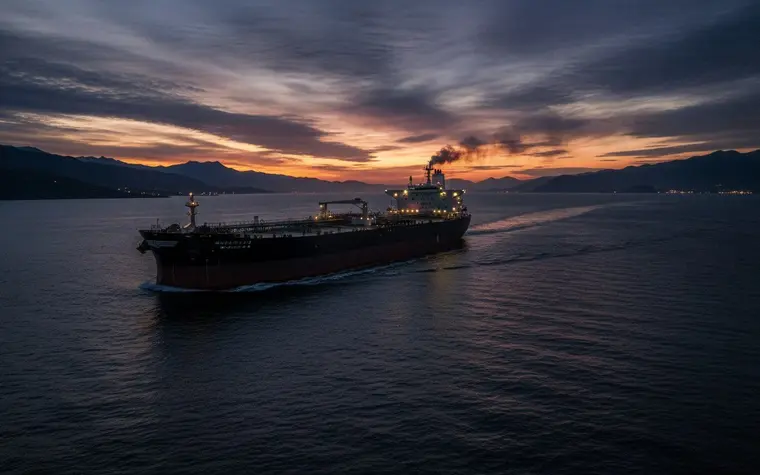
Compliance in Commodity Trading
Why KYC, due diligence and transparent documentation protect every transaction.
Compliance in physical commodity trading is often described as a cost. We see it differently: it is what makes a transaction bankable, insurable and repeatable. Banks will not finance a cargo they cannot trace, insurers will not cover a vessel they cannot identify, and serious counterparties will not sign with a company they cannot verify. Here is how know-your-customer checks, due diligence and transparent documentation protect every party to a deal.
Know your customer — and your supplier
KYC works in both directions. Before a contract is signed, each party should establish who it is dealing with:
- the full legal name, registration number and licence of the company;
- its directors, authorised signatories and ultimate beneficial owners;
- its registered address and principal place of business;
- the bank and account from which it will pay or receive funds.
Documents should be current and consistent with each other, and wherever possible checked against official registers rather than accepted as copies.
Sanctions and AML screening
Every counterparty, beneficial owner, bank and vessel involved should be screened against the relevant sanctions lists — typically those of the United Nations, the United States (OFAC), the European Union and the United Kingdom — as well as any local requirements. In the UAE, trading companies also operate under the national anti-money laundering and counter-terrorist financing framework. Screening is not a one-off exercise: lists change often, so checks should be repeated before every new transaction.
Vessel and cargo due diligence
In energy trading the vessel is part of the compliance picture. Warning signs include gaps in a ship's AIS tracking, unexplained ship-to-ship transfers, frequent changes of name or flag, and opaque ownership. The origin of the product matters just as much: the certificate of origin should be consistent with the loading port, the bill of lading and the inspection documents.
Transparent documentation
A clean document trail lets each party — and its banks — follow the cargo from the refinery to the final buyer. It usually includes:
- the signed sales contract;
- the commercial invoice;
- the bill of lading;
- certificates of quantity and quality from an independent inspector;
- the certificate of origin;
- insurance documents, where the seller is responsible for cover.
When documents disagree — a different seller name, a mismatched quantity, an unexplained change of port — the right response is to stop and ask questions before any money moves.
Why it protects everyone
Rigorous compliance does slow down the first transaction. But it removes far greater risks later on: frozen payments, detained cargoes, rejected letters of credit and reputational damage that outlasts any single deal. Once both sides have completed their checks, the next cargoes move faster, because the groundwork is already done.
How we approach it
Harmony General Trading has been licensed in Dubai since 2006. Our registration details — licence, commercial register number and D-U-N-S identifier — are published so that any counterparty can verify them independently. We ask the same transparency of the companies we trade with. If you are preparing a KYC file for us, our compliance team is at compliance@harmonygt.ae.